Rideshare accidents involve layers of insurance most people don't know exist. We know exactly which policy applies to your situation.








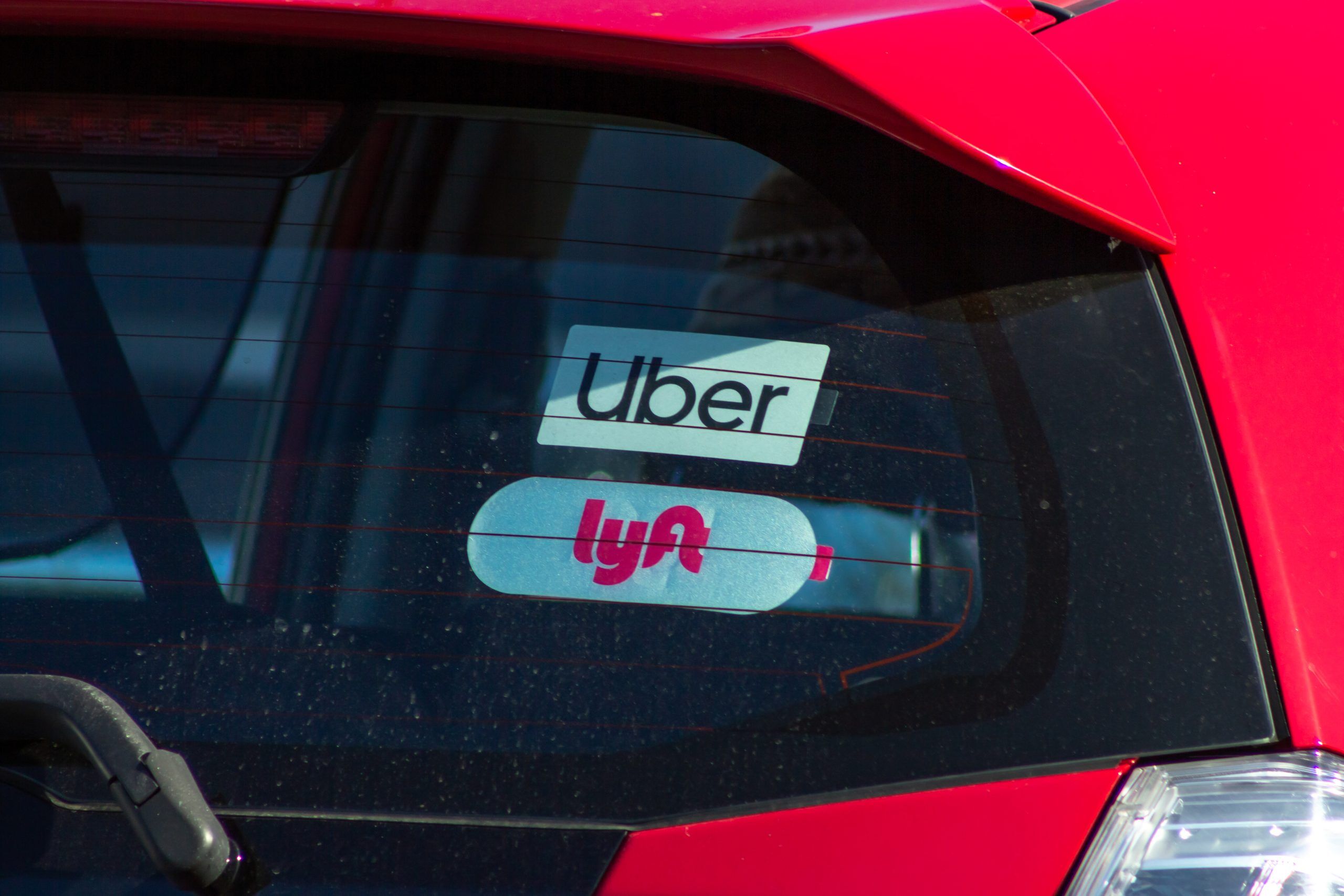
Whether you were a passenger, a rideshare driver, or in another vehicle hit by an Uber or Lyft, figuring out which insurance policy applies depends on exactly what the app showed at the moment of the crash — the driver's personal policy or the rideshare company's commercial coverage.
Our client was a passenger in a rideshare vehicle when it was rear-ended. We secured a $250,000 settlement on his behalf.
Case results depend on the specific facts of each case. Prior results do not guarantee a similar outcome.
What you do in the first hours and days can shape what your case is worth. Here's what actually matters.
Get checked out immediately and keep records of every visit — this documentation matters more in rideshare claims given the layers of insurance involved.
Before it disappears, screenshot your ride details, driver information, and trip status — this can be key evidence for which insurance policy applies.
A police report creates an official record and documents which vehicles and drivers were involved.
Both the rideshare company's insurer and the driver's personal insurer may reach out. You're not obligated to give a recorded statement to either before talking to an attorney.
Rideshare claims often involve more than one insurance company. Get the right one identified before you accept anything.
A rideshare accident can cost more than the medical bills alone. Arizona law lets you pursue compensation for the full impact — not just whatever the insurance company offers first.
Hospital bills, surgeries, medications, physical therapy, and long-term care.
Income lost while you recover, plus future earning capacity if the injury changes what you can do.
Compensation for the physical pain and emotional toll the accident caused, not just the bills.
Vehicle repair or replacement, plus anything else damaged in the accident.
In cases of gross negligence — like drunk driving — additional damages meant to punish the at-fault party.
Two rules shape almost every rideshare accident claim in Arizona: how long you have to file, and what happens if fault isn't 100% clear-cut. Both usually work in your favor more than people assume.
Arizona lets you recover damages even if you were partially at fault — your compensation is reduced by your percentage of fault, not eliminated. Don't assume you have no case just because fault isn't 100% clear-cut.
In some cases, you may have as little as 6 months to file your complaint, and certain claims must settle within about a year. Start the process now instead of waiting and potentially missing out.
A real method, not a script. Built around never settling just to close your case.
Free case review — we hear what actually happened, no pressure, no obligation.
We build the evidence — police reports, medical records, fault documentation — before insurance can spin the story.
We negotiate for full value. If the insurance company won't move, we don't settle just to close your case.
You get paid, and you're never left wondering what happens next — we walk you through every step.
No actors. No scripts. Just clients.


It depends on the driver's app status at the time of the crash — offline, waiting for a ride, or actively driving a passenger each trigger different coverage. We identify the right policy so your claim isn't denied on a technicality.
Arizona's statute of limitations for rideshare accident claims is two years from the date of the accident.
As a passenger, you're rarely at fault, and Arizona's comparative negligence rules still work in your favor if any fault is ever disputed.
It depends on your medical costs, lost wages, and how clearly fault can be proven. We give you a real, honest number after reviewing your case.
Rideshare claims involve more moving parts than a typical accident. There's no cost to find out where you stand — the free case review carries zero obligation.
Free case review. $0 upfront cost. Real people answer, day or night.
No fee unless we recover for you — the free case review carries zero obligation.